History
Lisbon, Coimbra and Porto fado
How fado grew in Lisbon’s taverns, why Coimbra’s students sing it differently, what Porto’s merchants had to do with the guitar, and when UNESCO listed it.
See open fado dates ↗Quick answer
Fado took shape in 19th-century Lisbon, in the taverns and streets of its poorer quarters, and from the 1930s it was heard mainly in fado houses. Coimbra developed its own student tradition, sung by men in academic dress. Porto’s link runs through the guitar: its 18th-century merchants were keen players of the cittern that became the Portuguese guitar. UNESCO inscribed fado in 2011.
Lisbon’s taverns
Wikipedia dates the first reliable traces of fado to Lisbon in the 1820s and 1830s, passed on by word of mouth, and suggests it reached the city’s streets after 1840. Its early performers were working people: sailors, bohemians and courtesans in the taverns, who sang, danced and stamped the fado’s beat together. As the 1800s wore on, the dancing faded and the performers became singers only, the fadistas. Where fado came from before that is still argued over, with theories pointing to Brazil, to older Portuguese song and elsewhere.
Severa
The first fado singer to become famous was Maria Severa Onofriana, born in Lisbon in 1820. She sang in taverns, played the Portuguese guitar, and died of tuberculosis at 26 in 1846. Her love affair with the Count of Vimioso turned into legend, then into Júlio Dantas’s A Severa, staged in 1901, and in 1931 into the first Portuguese film with sound. Several fado songs tell the story of the romance.
The fado houses
A decree of 1927 brought public shows under strict control: performers needed a professional card and their repertoire had to be approved. The Fado Museum describes how, especially from the 1930s, listening to fado became a ritual in fado houses gathered in Lisbon’s historic quarters, above all the Bairro Alto. Radio, cinema and later television carried fado to a national audience, and Amália Rodrigues, the singer known as the Queen of Fado, took it round the world from the 1950s.
Coimbra’s students
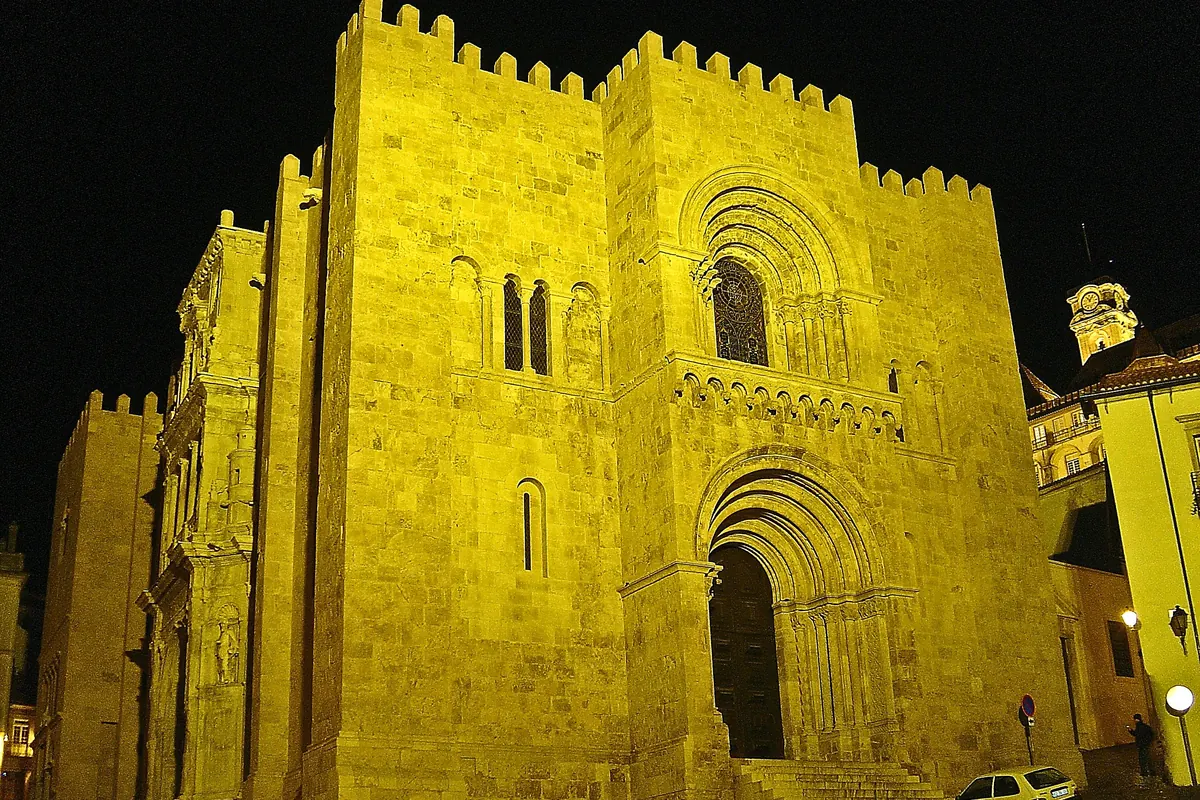
Coimbra’s fado is a separate branch, tied to the city’s university and to the medieval troubadours. It is sung only by men, singers and players dressed as students in the dark gown and cape of academic dress, at night and almost in the dark, in squares and on the steps of the Old Cathedral, sometimes as a serenade beneath a window. The Coimbra guitar is built differently and tuned lower than the Lisbon one, for a darker sound. In the 1950s Coimbra singers turned to ballads and great poets as a form of resistance to the dictatorship.
Porto and the guitar
Porto’s place in this story is older than many visitors expect. English Wikipedia traces the Portuguese guitar to the cittern, played in Portugal for centuries. Around 1750 a new type, the so-called English guitar, arrived, and by 1786 the instruments of the English luthier Simpson were in high demand. Porto’s new merchant class took it up eagerly for music at home. Gradually Portuguese makers reshaped the instrument, and by the mid-1800s it had become the instrument that accompanied Lisbon’s fado. Today Porto also has student groups singing in the Coimbra manner.
UNESCO in 2011
On 27 November 2011 fado joined UNESCO’s UNESCO’s roll of humanity’s intangible heritage. UNESCO’s entry presents it as music joined to poetry, blending Afro-Brazilian sung dances, songs brought to the capital by people moving in from the countryside, and the street songs Lisbon knew in the early 1800s. Professionals sing it in concert halls and small fado houses, while amateur singers carry it on in clubs scattered through Lisbon’s older districts. The concert near the Cordoaria belongs to that professional, small-room branch.
Read next: How to listen to fado, first time
Sources